Milestone 03 / Prepare for life afloat

Arrive ready to learn

You do not need to arrive knowing every rope. You do need a shared understanding of the session, suitable personal arrangements and enough time to take in the safety briefing.

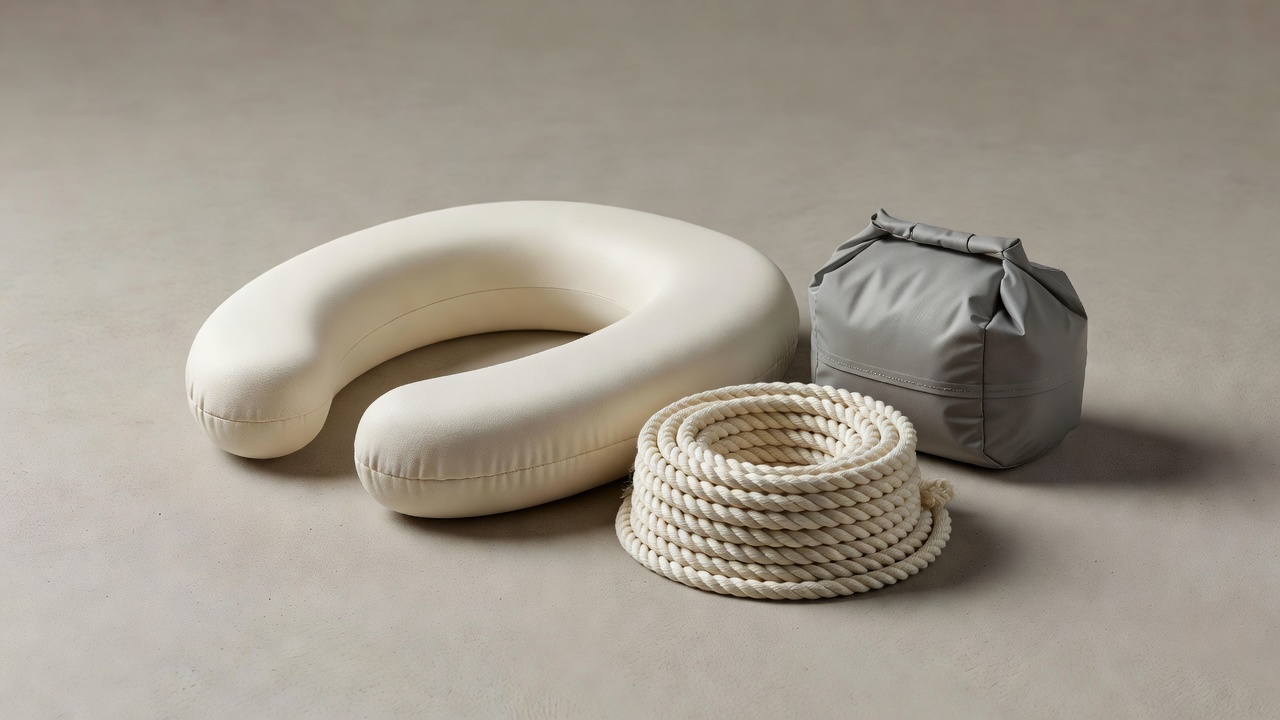
Soft-lit three-dimensional buoyancy aid, neatly coiled rope and dry bag arranged on a warm-grey background

Get the joining information into one place

Ask the school for the meeting point, arrival time, session outline and equipment list. A marina entrance, reception building and actual launching point can be some distance apart. Confirm parking or public transport arrangements and allow time for changing, fitting equipment and introductions. Arriving at the sailing start time is often too late for the preparation around it.

Read any forms before the day and ask how sensitive information should be supplied securely. Tell the provider about relevant needs through its agreed process, including anything that could affect communication, movement, participation or access to medication. You do not need to publish a detailed medical history in a general enquiry to this website.

If you are unsure about swimming expectations, capsizing or being in deep water, discuss that directly with the instructor before booking. Requirements vary between activities and providers. Personal flotation is important but does not remove the need for suitable supervision, clear recovery procedures and an honest conversation about comfort in the water.

Dress for the water and the activity

Air temperature alone is a poor guide to what a sailor needs. Wind, spray, water temperature and the likelihood of immersion affect clothing choices. Ask whether the session calls for a wetsuit, drysuit, waterproof layers or other supplied equipment. A packing list for a sheltered summer keelboat session should not be copied uncritically for spring dinghy training.

The school should explain which personal flotation device is suitable and check its fit. A buoyancy aid and a lifejacket are not simply different names for the same equipment; their performance and intended use differ. The Royal National Lifeboat Institution, or RNLI, publishes water-safety information, but the activity-specific selection and fitting still belong with the provider’s briefing.

Confirm footwear with the school rather than buying specialist kit immediately. Secure shoes with appropriate grip are commonly requested, while the exact design depends on the boat and launching surface. Ask about glasses retention, sun protection and any restrictions on jewellery or loose items. Pack dry clothes for afterwards and keep essential shore belongings protected from water.

Use a compact departure check

Adapt this list to the provider’s instructions; it is not a replacement for them.

  • Joining details saved, including the school’s on-the-day contact method.
  • Required forms completed through the provider’s agreed process.
  • Clothing and footwear matched to the session and likely conditions.
  • Personal flotation arrangements confirmed, including available sizing.
  • Food, drinking water and breaks checked against the day’s timetable.
  • Dry change, towel and secure storage arranged where relevant.
  • Medication and access needs discussed directly with the responsible team.
  • Enough arrival time allowed for changing, fitting and the full briefing.

Learn the briefing, not a script from the internet

A forecast helps you understand why a session may change, but a beginner should not try to overrule an instructor’s operational decision using a single weather application. Schools consider local exposure, wind direction, water state, visibility, rescue cover and the group’s ability. Ask how weather updates will be communicated before you travel.

In the United Kingdom, the Met Office provides official weather information, while the Norwegian Meteorological Institute is a relevant official source in Norway. The right product depends on the sailing area. A general forecast does not replace a local assessment, and the presence of an official forecast does not mean conditions are appropriate for your activity.

During the briefing, establish how to attract attention, what to do if separated and which instructions take priority. Ask the instructor to repeat anything unclear. Learn where to move and what to avoid on that particular boat before handling equipment. Do not practise capsize recovery, towing, rescue manoeuvres or unfamiliar rigging alone on the strength of written guidance.

Support learning with simple habits

Eat and drink in a way that suits the timetable and your needs. Fatigue, cold and dehydration make it harder to absorb instructions, so raise a problem early rather than trying to appear resilient. If you feel unwell, tell the instructor. Advice about medication or managing a health condition should come from an appropriate healthcare professional and the provider’s participation process, not a sailing article.

Choose one or two learning priorities for the session. You might want to understand the relationship between the tiller and the boat’s turn, or become more comfortable with a crew handover. Ask for feedback on those tasks. Too many simultaneous targets can make a busy lesson feel less coherent than it really is.

After changing out of wet equipment, write a brief account while the session is fresh. Record the boat, broad conditions, main exercises, helpful feedback and the next supervised task. Do not turn the log into a list of things you “passed” unless the instructor actually assessed them. Good notes make your next conversation with a school more accurate and help you recognise progress without overstating readiness.

Looking towards a race start?

Add event knowledge after a sound handling foundation.

Understand the event route